Why the rules are what they are
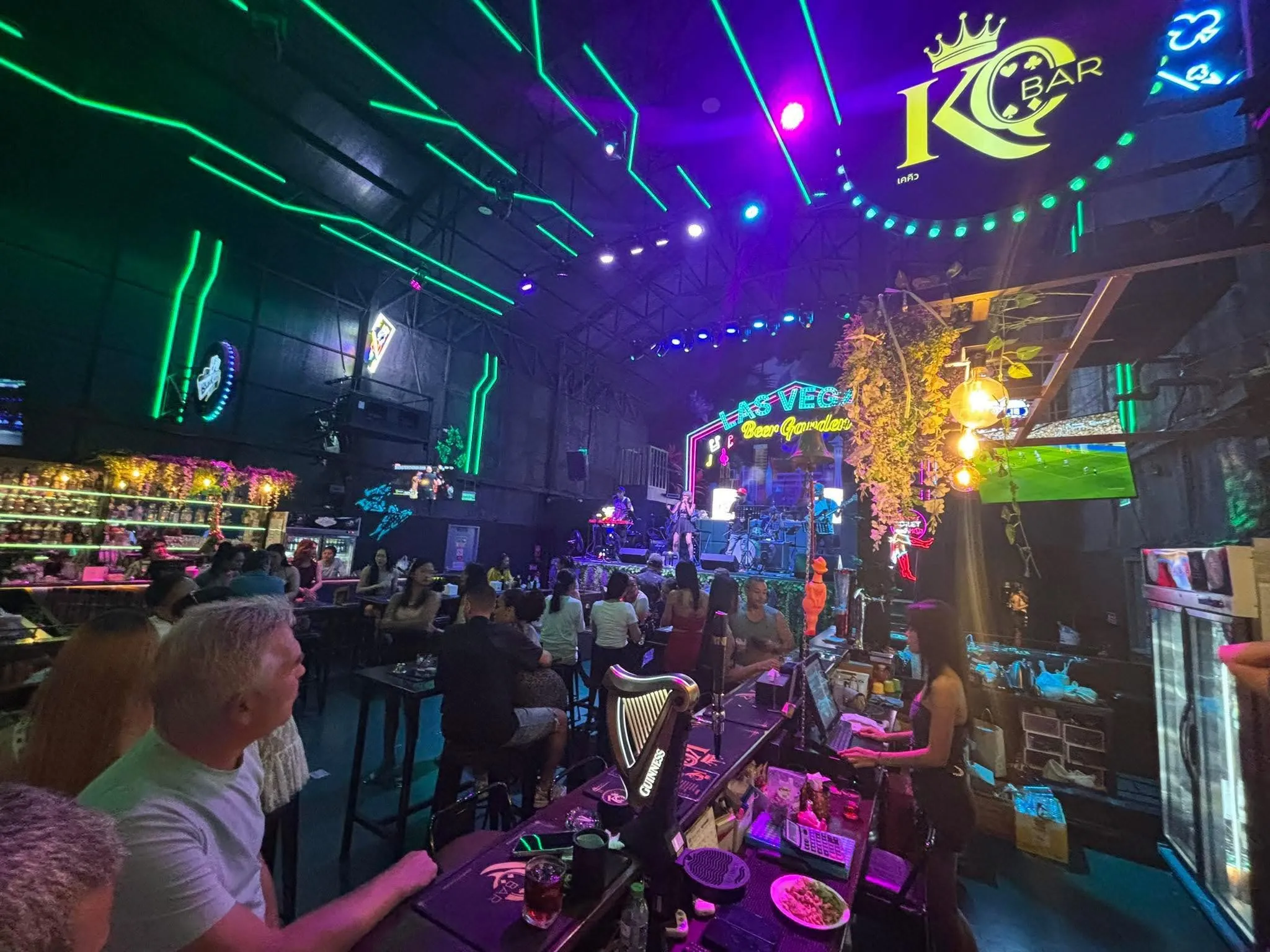
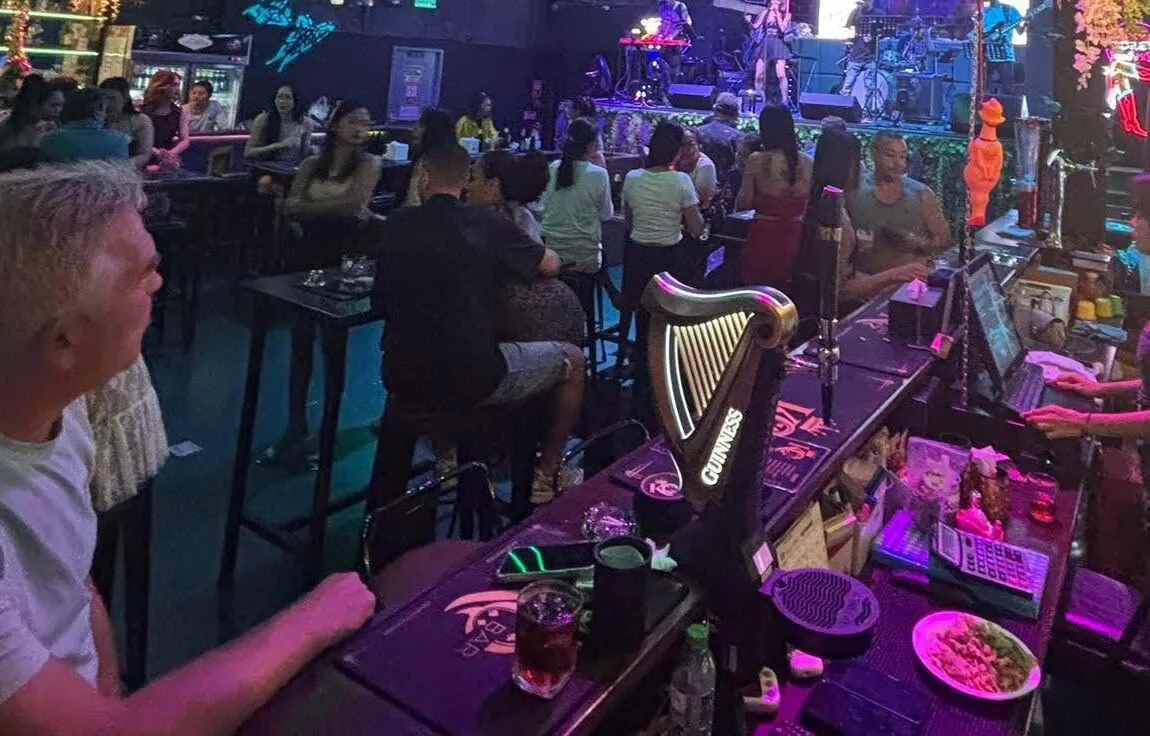
Most of the customs on this page make sense once you know what they are for. The bill in the cup is a system for a bar where the staff change and the customer moves stools: the cup follows you, the slips in it are the record, and nobody has to remember. The bell is a tradition from bars where the regulars are a community and buying a round for the room is a way of saying something; it is on the wall to be rung on purpose, and the price of ringing it by accident is a lesson everybody learns once. The afternoon rule on alcohol sales is a national law with a purpose that dates from a different decade and an enforcement that varies by the bar.
The three things that are not funny are not funny because they are not jokes here. The monarchy is protected by law and by feeling, and the feeling is the one that matters at a counter. The religion is the country's and the monks are its face, and a joke about either is a joke about somebody's family. The flag and the anthem are stood for at six in the evening in public places and it costs nothing to stand. A visitor who gets these three right is welcome anywhere in the country. A visitor who does not will find out.
What good bars do, and what to do about the rest
A good bar in Pattaya rings its own bell only when somebody asks it to. It keeps your cup where you can see it. It tells you the total before it takes the money. It does not bring a drink you did not order, does not seat anyone beside you that you did not invite, and does not hurry you when the table is wanted. It says goodnight. Most of the city's bars are good bars in this sense, and the reviews of the ones that are not say so in plain language, which is the one advantage of a city where everybody reviews everything.
If a bar gets it wrong, the answer is to pay what is on the slips in the cup, say thank you, and leave, and then to write the review. Arguing at a counter in Thailand is a thing nobody wins, and the person who loses the temper is the one who was wrong, whatever the bill said. The customs above are the whole of what a visitor needs. The rest is a smile, which in this country is a language and is spoken fluently by everybody who works behind a bar.